
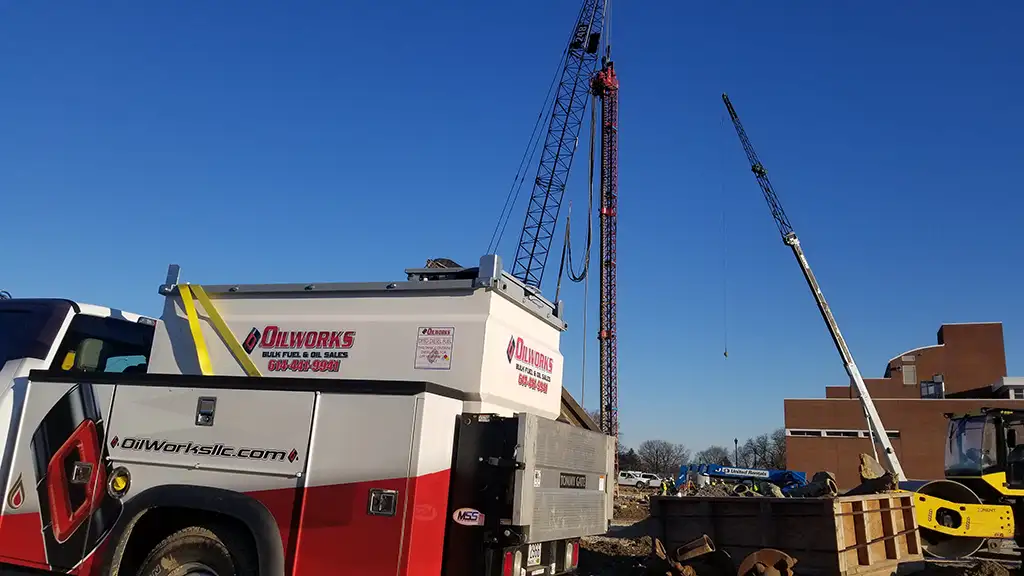
Proper bulk fuel storage is critical for safety, environmental protection, and maintaining fuel quality. For businesses that rely on a steady supply of fuel, ensuring its safe storage is a critical operational responsibility. Improper storage can lead to hazardous situations, including spills, fires, and contamination, which can result in downtime, environmental fines, and potential liability…

Understanding your fuel consumption is the first step toward managing operational costs and increasing efficiency. For any business that relies on a fleet of vehicles or machinery, tracking fuel usage is not just about savings-it’s about optimizing your entire operation. Effective monitoring can help identify mechanical issues before they become expensive problems, prevent fuel theft…

Strengthening Our Commitment to Central Ohio’s Energy Infrastructure We’re excited to share big news: OilWorks has achieved official Minority Business Enterprise (MBE) certification from the state of Ohio. This designation recognizes OilWorks as a minority business enterprise fuel supplier in Columbus and strengthens our ability to serve Ohio’s commercial fuel delivery needs while creating opportunities…
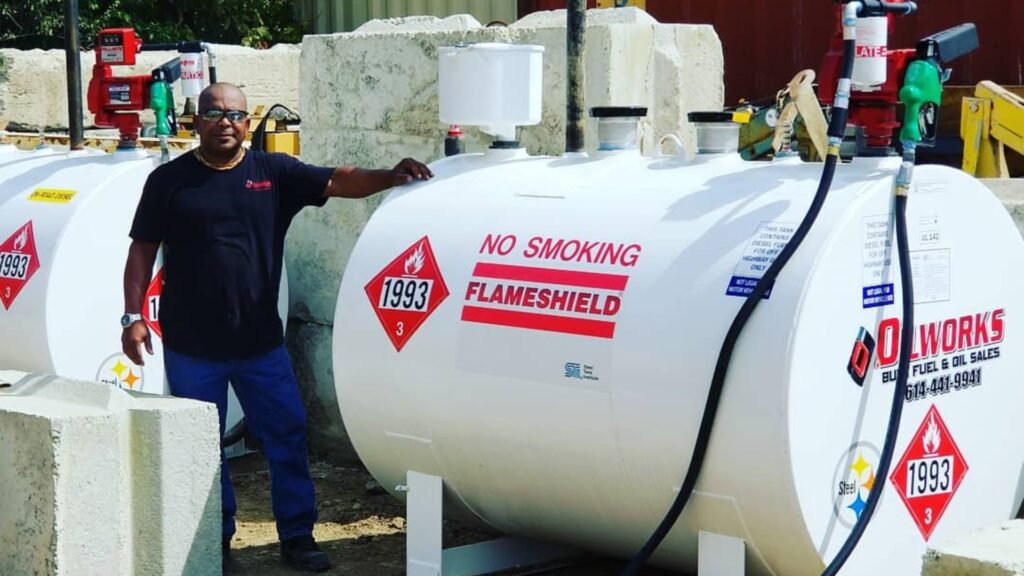
Contact Us for Your Event Fuel delivery is a critical service that requires strict adherence to safety protocols to protect both personnel and property. At OilWorks, we prioritize safety during every step of the fuel delivery process. Here’s a look at the essential safety measures we implement to ensure safe and efficient fuel handling. Contact…
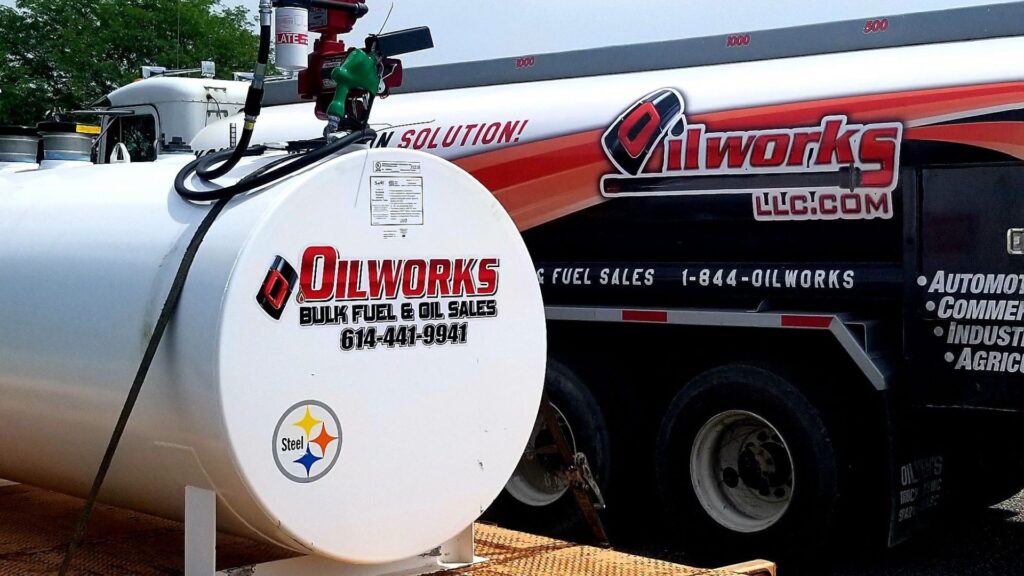
Contact Us for Your Event Timely refueling is essential for keeping your operations running smoothly, especially in industries such as construction, transportation, and emergency services. Refueling vehicles on-site maximizes efficiency and minimizes downtime. But how quickly can this process be completed? Let’s explore the factors affecting on-site refueling times and the benefits of partnering with…
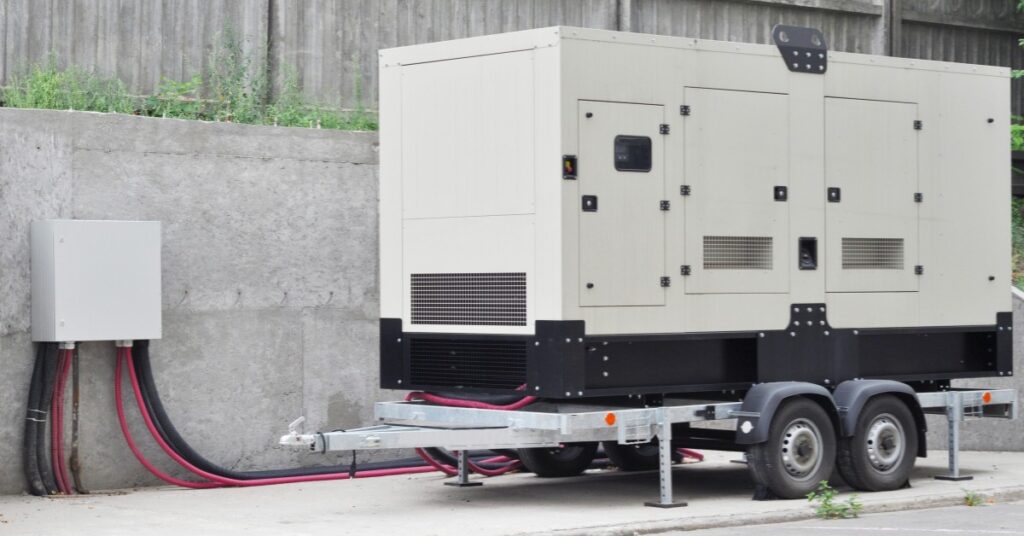
Most of us take for granted that when we flip a switch, the power comes on. We expect our appliances, computers, and equipment to work instantly—until a power outage hits. When that happens, businesses grind to a halt. Cash registers go dark, card readers stop working, security systems fail, and production lines shut down. What…
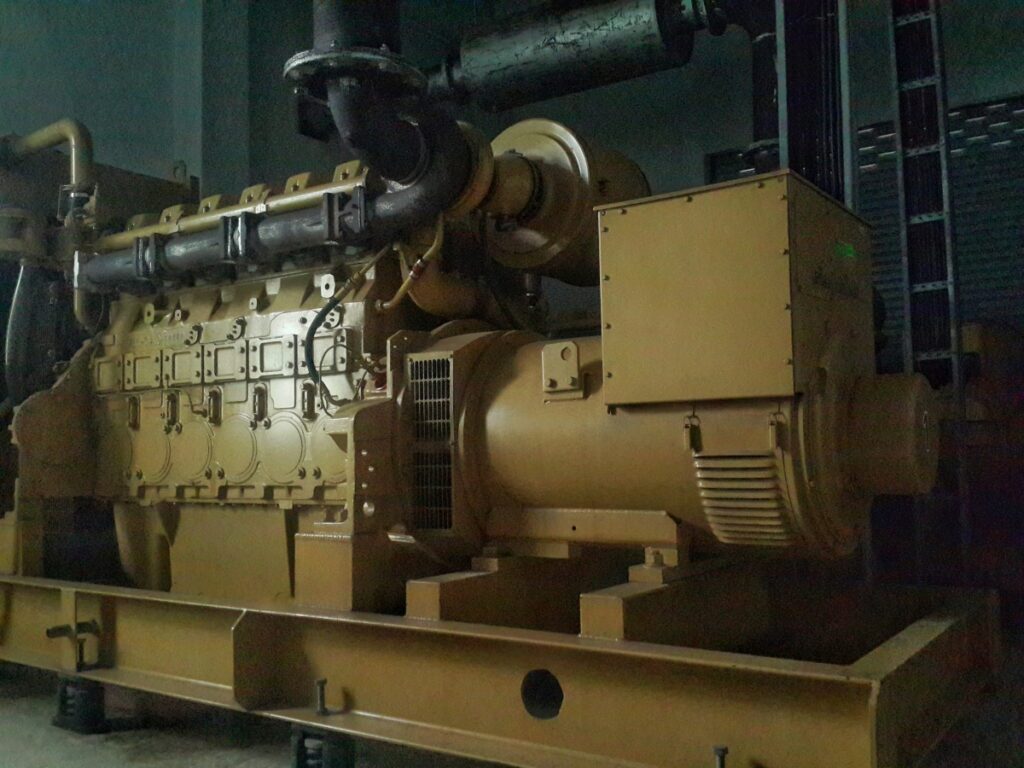
Generators are essential to keeping critical operations running when the power goes out—or when there’s no power grid to begin with. From hospitals maintaining life-saving equipment during outages to construction sites powering tools in remote locations, generators provide the reliable electricity that businesses and communities depend on. But a generator is only as reliable as…
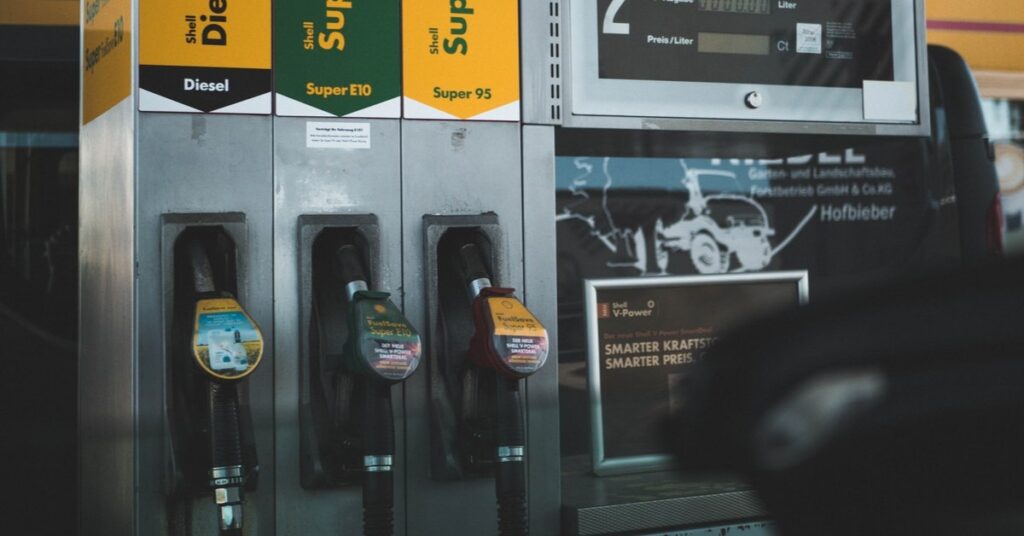
We learned in our last blog post the differences between diesel and gas engines–particularly in how they ignite fuel to create power. But what about the fuel itself? While diesel fuel and gasoline may look similar at the pump, they’re actually quite different in their chemical composition, energy content, and performance characteristics. These differences are…
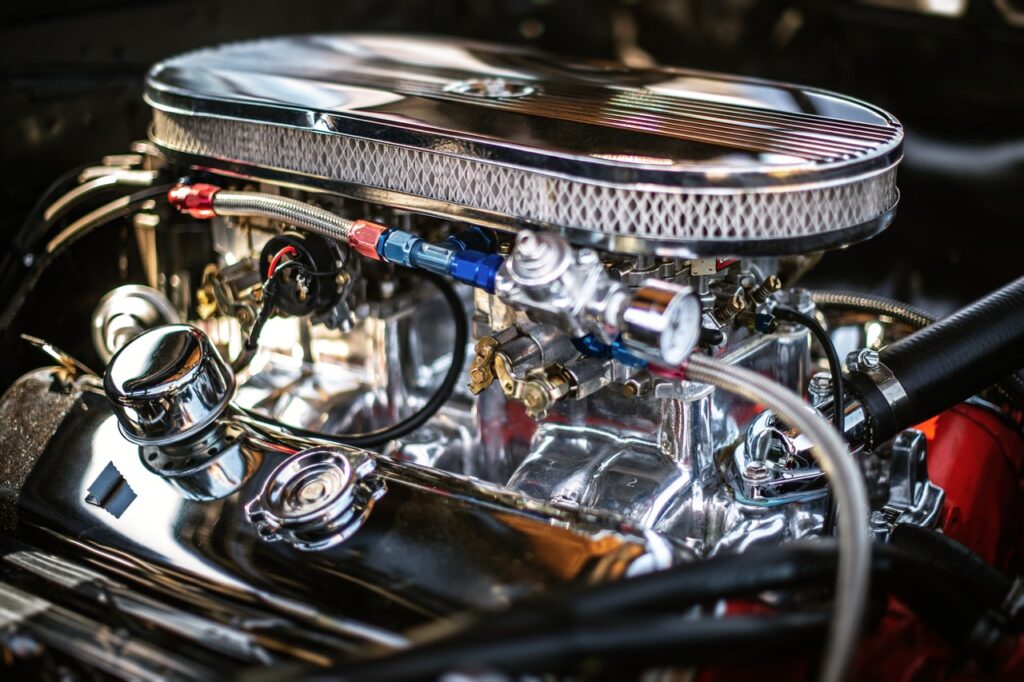
The diesel versus gasoline debate isn’t really about the fuel itself—it’s about how the engines using that fuel operate. While both power millions of vehicles on the road today, diesel and gasoline engines work in fundamentally different ways, and those differences have a real impact on performance, efficiency, and cost. Whether you’re choosing a vehicle…
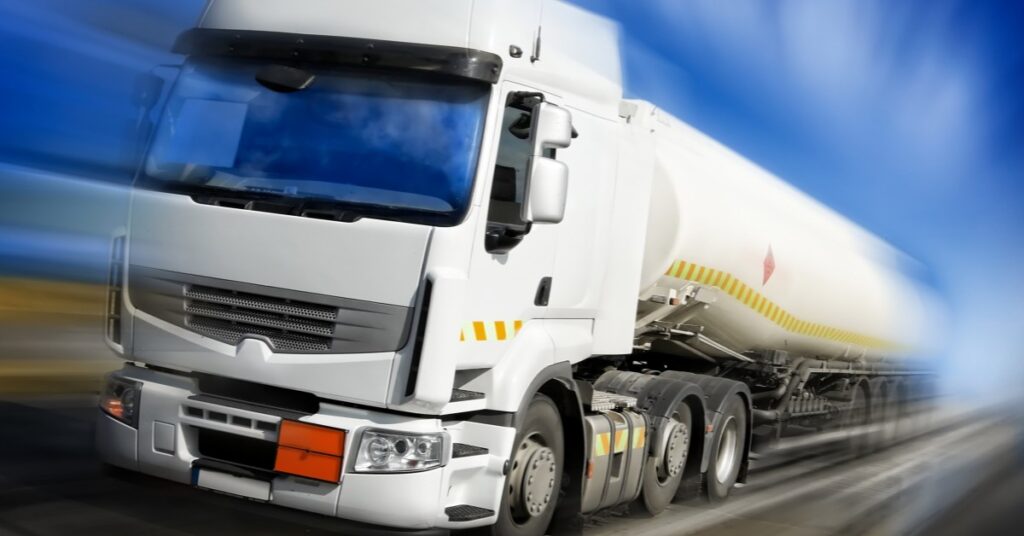
In order to produce energy, you need a fuel source. Back in the day, wood was the main source of fuel because it was plentiful and easy to procure. After all, you just go and chop down a tree and set it on fire. However, as society became more sophisticated, we needed other sources of…