
Understanding your fuel consumption is the first step toward managing operational costs and increasing efficiency. For any business that relies on a fleet of vehicles or machinery, tracking fuel usage is not just about savings—it's about optimizing your entire operation.
Effective monitoring can help identify mechanical issues before they become expensive problems, prevent fuel theft and unauthorized usage, improve driver behavior, and enable data-driven decisions about route optimization.
Let's explore the most effective strategies for how to monitor fuel consumption in your fleet.
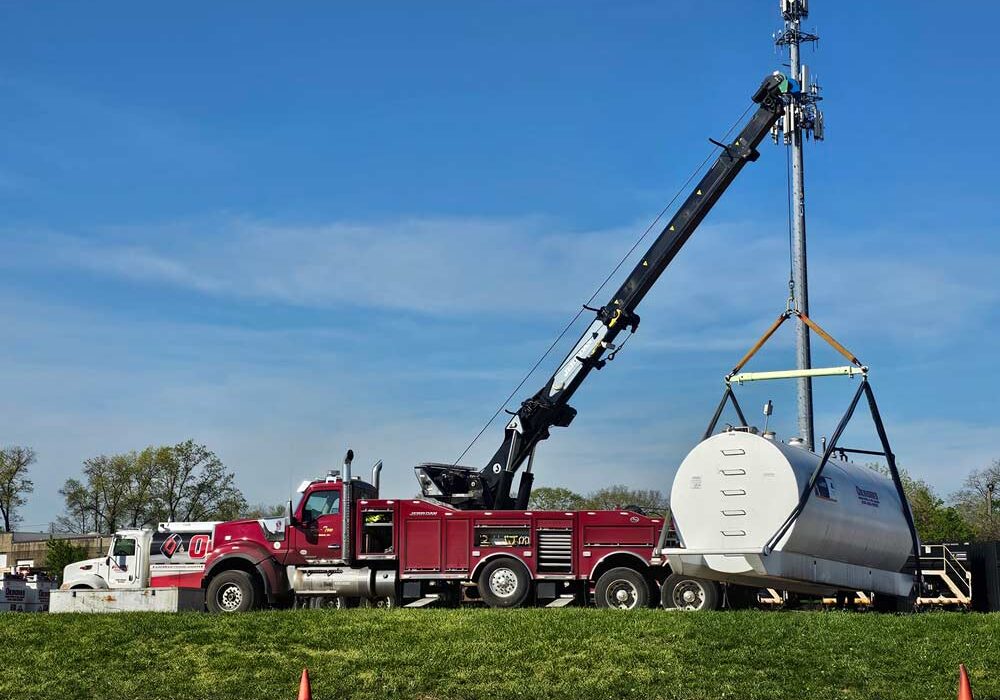
Install a Fuel Management System for Fleet Operations
A dedicated fuel management system is one of the most effective ways to monitor consumption. These systems track fuel data for each vehicle, providing insights into efficiency and highlighting irregularities that might otherwise go unnoticed.
Modern systems range from basic fuel card programs that track purchases at the pump to advanced telematics platforms that monitor fuel levels continuously throughout the day. Look for systems that offer real-time fuel tracking for individual vehicles, automated reporting and alerts for unusual consumption patterns, integration with existing fleet management software, and scalability as your fleet grows.
Prioritize Regular Vehicle Maintenance
A well-maintained vehicle consumes significantly less fuel than one that's been neglected. Small issues can compound quickly, turning minor inefficiencies into major fuel drains.
Key maintenance factors that impact fuel efficiency include:
- Tire Pressure: Underinflated tires increase rolling resistance and fuel consumption by up to 3%.
- Engine Health: Dirty air filters, worn spark plugs, and old oil force engines to work harder.
- Wheel Alignment: Misaligned wheels create drag and reduce efficiency.
- Regular Tune-Ups: Keeping engines properly calibrated ensures optimal fuel combustion
Establishing a routine maintenance schedule for your entire fleet ensures that all vehicles operate at peak performance, reducing unnecessary fuel burn and preventing costly repairs down the line.
Monitor and Improve Driver Behavior
The way a vehicle is driven has a substantial effect on fuel consumption—sometimes accounting for a 20-30% difference in efficiency between drivers operating the same vehicle on the same routes.
Aggressive acceleration, hard braking, excessive idling (more than 30 seconds), speeding, and rapid lane changes are among the most common fuel-wasting behaviors. Many fleet managers find that addressing driver behavior alone can yield 10-15% fuel savings without any additional investment in vehicles or equipment.
If you’re wondering how to monitor fleet fuel consumption through driver behavior, try:
- Implementing telematics systems that track driving patterns
- Creating a driver training program emphasizing fuel-efficient techniques
- Establishing benchmarks and goals for fuel efficiency
- Providing regular feedback and incentives for improvement
The key is making fuel efficiency visible and rewarding those who excel.
Leverage Data and Analytics
To truly understand how to monitor fuel consumption effectively, you need comprehensive data analysis. Raw numbers alone don't tell the whole story—you need to identify patterns, anomalies, and opportunities.
Essential metrics to track include:
- Miles per gallon (MPG) by vehicle and driver
- Fuel cost per mile
- Idle time as a percentage of total engine hours
- Fuel consumption by route or job type
- Comparison of similar vehicles to identify underperformers
Advanced monitoring solutions provide detailed dashboards that transform raw fuel data into actionable insights. By tracking every gallon, you can optimize routes, schedule preventative maintenance based on actual usage patterns, and ultimately lower your operational costs.
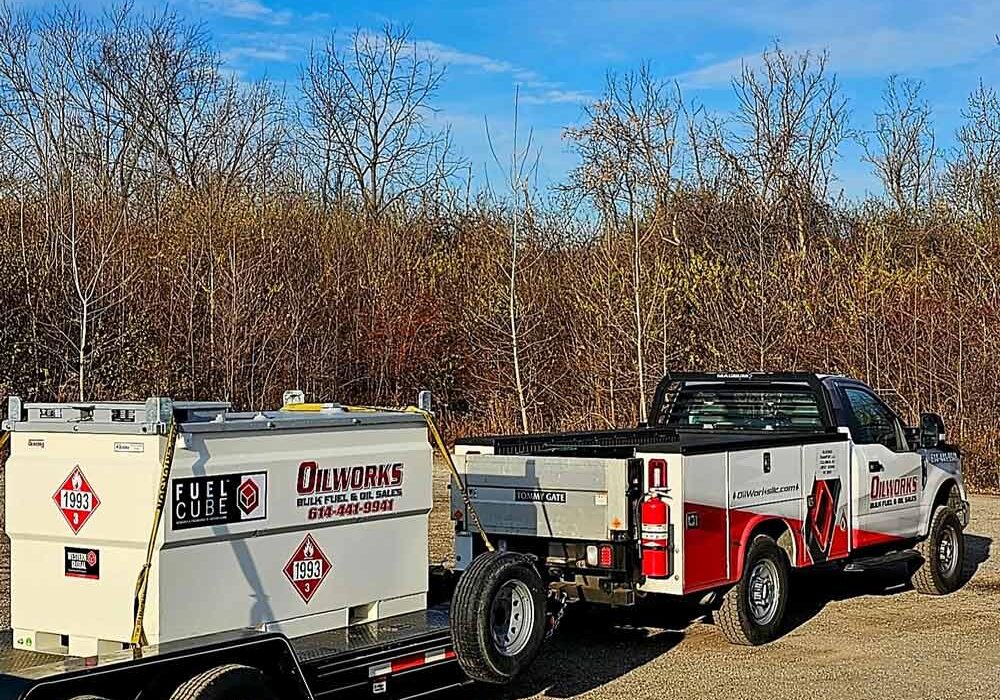

Establish Clear Policies and Accountability
Technology and maintenance are only part of the equation. Clear policies create accountability and ensure everyone in your organization understands the importance of fuel efficiency.
Consider implementing written fuel efficiency policies for all drivers, approval processes for vehicle idling beyond necessary periods, and regular reporting on fuel consumption to department heads. Establish both consequences for repeated inefficient behavior and recognition programs for top-performing drivers. When expectations are clear and performance is measured, results follow.
Take Control of Your Fuel Costs
Ready to implement a fuel management system for fleet vehicles that works? OilWorks offers comprehensive equipment monitoring solutions that provide the detailed data you need to make informed decisions. Contact us today to learn how we can help you reduce fuel costs and optimize your operations.