
Proper bulk fuel storage is critical for safety, environmental protection, and maintaining fuel quality. For businesses that rely on a steady supply of fuel, ensuring its safe storage is a critical operational responsibility. Improper storage can lead to hazardous situations, including spills, fires, and contamination, which can result in downtime, environmental fines, and potential liability issues.
Whether you're setting up commercial fuel storage for the first time or evaluating your current system, understanding best practices is essential for protecting your people, your assets, and the environment.
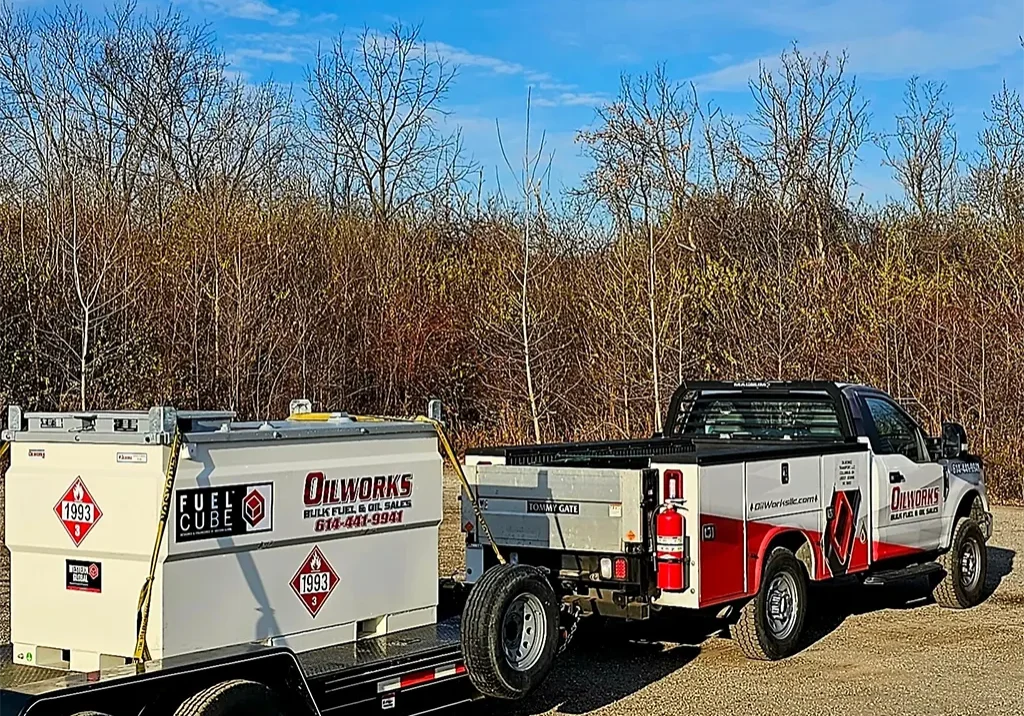
Choose the Right Commercial Bulk Fuel Storage Tanks
The foundation of safe fuel storage is selecting appropriate commercial bulk fuel storage tanks. Commercial fuel storage tanks should be designed specifically for the type of fuel you're storing and comply with all local, state, and federal regulations, including EPA and OSHA requirements.
When selecting storage tanks, evaluate:
- Material Durability: Steel is most common for its strength and resistance to corrosion.
- Tank Capacity: Size should match your fuel consumption needs while allowing for safe management.
- Single-Wall vs. Double-Wall Construction: Double-wall tanks provide built-in secondary containment.
Choose high-quality fuel storage tanks that minimize the risk of leaks and are suited to your specific site conditions, climate, and operational requirements. The initial investment in quality tanks pays dividends in longevity, safety, and regulatory compliance.
Ensure a Safe and Secure Location
The placement of your commercial bulk fuel storage tanks is just as important as the tanks themselves. Poor location decisions can compromise even the highest-quality storage systems.
Your fuel storage area should be situated in a well-ventilated space, away from ignition sources such as electrical equipment, open flames, or high-traffic areas. The ground must be stable and level to prevent tank shifting or settling that could compromise structural integrity. Consider drainage patterns to ensure spilled fuel won't flow toward storm drains, water sources, or neighboring properties.
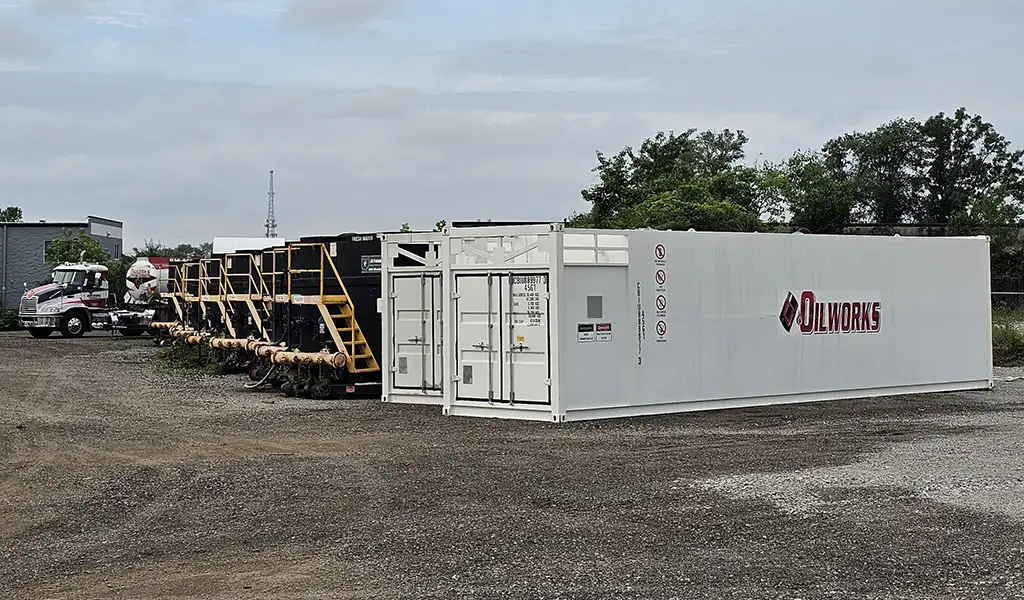
Secondary containment measures are non-negotiable for safe bulk fuel storage. This includes dikes, berms, or double-walled tanks designed to contain 110% of the largest tank's capacity in case of a catastrophic failure. Securing the area with fencing, locks, and proper lighting prevents unauthorized access and reduces the risk of vandalism or theft.
Establish Regular Inspection and Maintenance Protocols
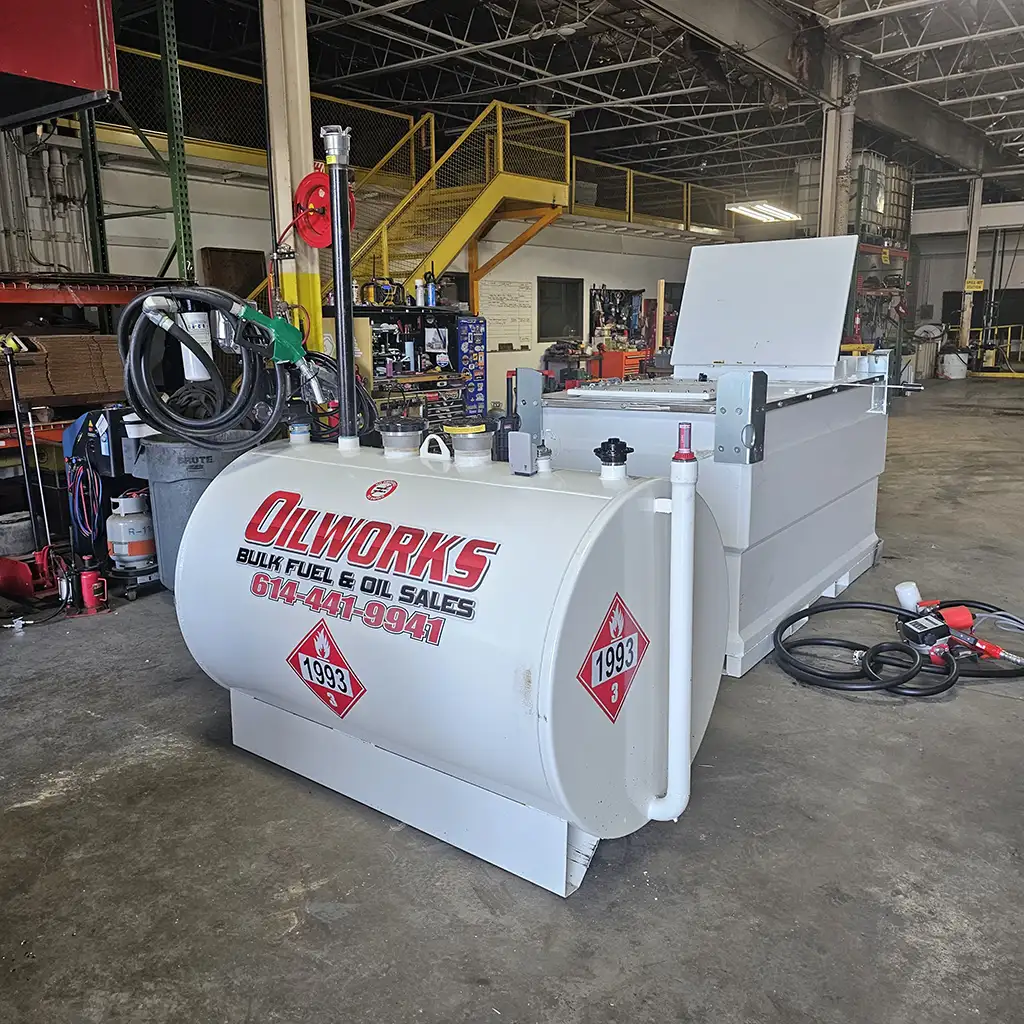
No matter what industry you’re in, regular inspections are vital to catch potential issues before they become serious problems. A proactive maintenance approach to commercial fuel storage protects your investment and ensures continuous, safe operation.
Make sure to check:
- Tank Exterior and Interior: Look for rust, corrosion, dents, or structural damage.
- Valves, Fittings, and Connections: Inspect for leaks or wear.
- Fuel Quality Testing: Test for water contamination and microbial growth.
- Secondary Containment Systems: Examine for cracks or deterioration.
- Vents and Pressure Relief Valves: Verify proper function.
Water is one of the most common contaminants in stored fuel. It can lead to microbial growth, fuel degradation, and engine problems. Regularly check for and remove any water from the tank bottom, and consider installing water detection sensors for early warning.
A consistent maintenance schedule documented in writing will prolong the life of your bulk fuel storage system and ensure the fuel within remains clean and effective.
Implement Proper Handling and Emergency Procedures
Even with the best commercial fuel storage tanks and systems, human error remains a risk factor. Comprehensive training and clear procedures are essential layers of protection.
All personnel involved in handling fuel should receive thorough training in safe procedures, including the proper use of personal protective equipment (PPE) such as chemical-resistant gloves, safety glasses, and appropriate footwear. Clear labeling of all tanks with fuel type, hazard warnings, and emergency contact information is essential and often legally required.
Having a comprehensive emergency response plan is not optional—it's a critical component of how to store bulk fuel safely. This plan should include detailed procedures for spill containment and cleanup, evacuation routes, emergency shut-off procedures, and notification protocols for relevant authorities. All necessary equipment, including spill kits, fire extinguishers, absorbent materials, and emergency communication devices, should be readily accessible and regularly inspected.
Conduct regular emergency drills to ensure all staff members know their roles and can respond quickly and effectively in a crisis situation.
Stay Compliant with Regulations
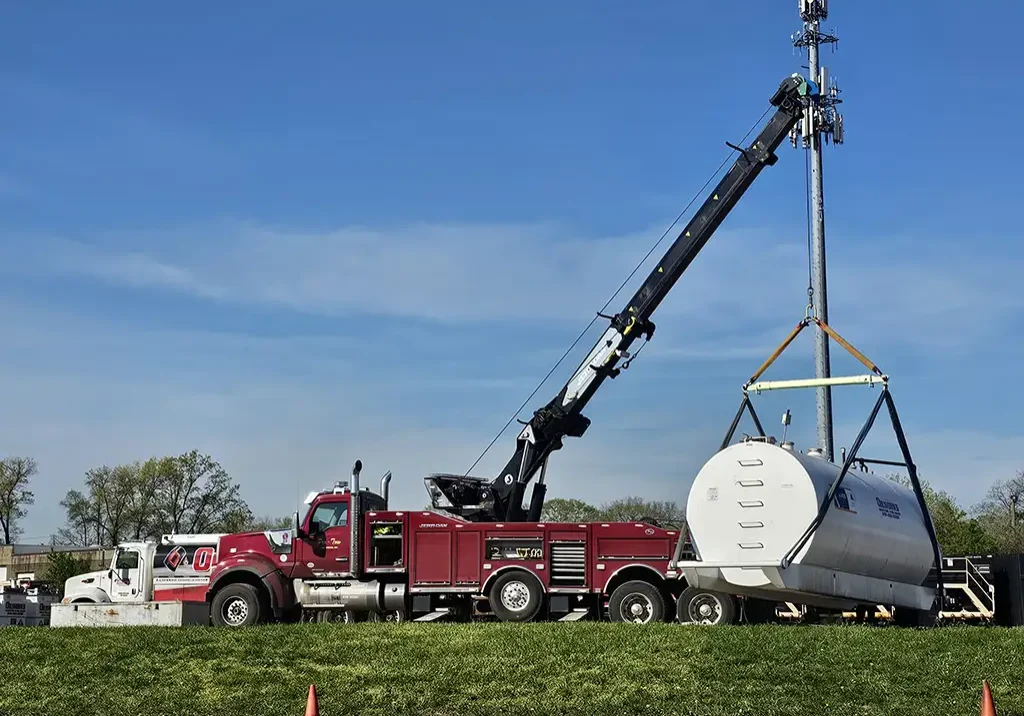
Commercial bulk fuel storage is heavily regulated at federal, state, and local levels. Understanding and maintaining compliance isn't just about avoiding fines—it's about ensuring the highest safety standards for your operation.
Stay current with regulations from agencies like the EPA (Environmental Protection Agency), OSHA (Occupational Safety and Health Administration), and your state environmental agency. Requirements may include spill prevention control and countermeasure (SPCC) plans, facility response plans, regular tank integrity testing, and specific recordkeeping practices.
Working with experienced fuel storage professionals can help you navigate the complex regulatory landscape and ensure your commercial fuel storage tanks meet all applicable requirements.
Protect Your Operation With Safe Commercial Fuel Storage
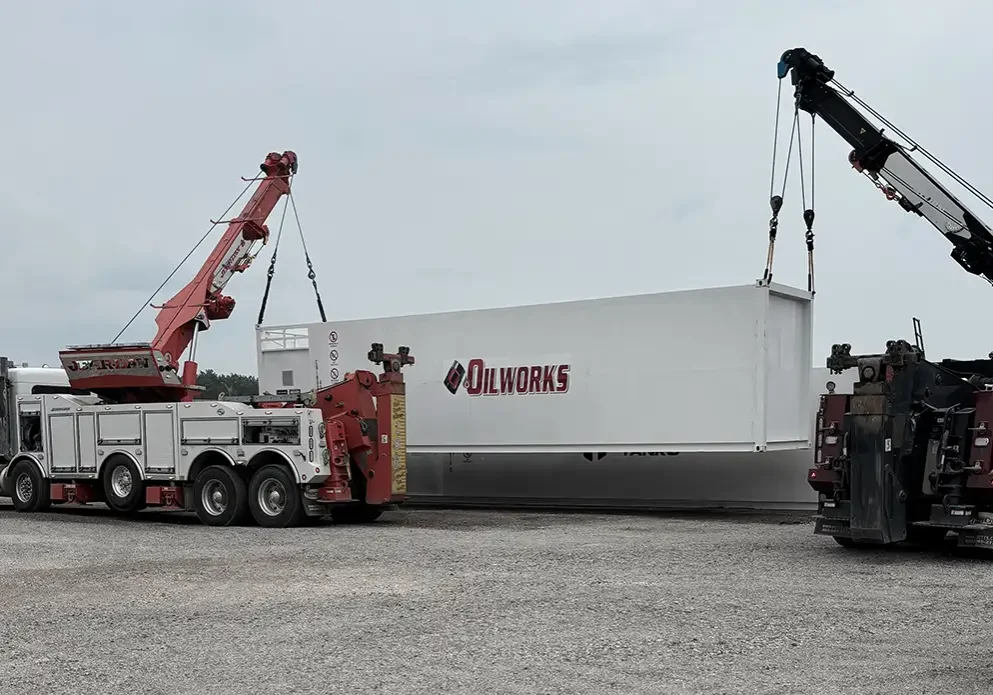
Need expert guidance on commercial bulk fuel storage? OilWorks specializes in safe, compliant fuel storage solutions, including fuel tank rentals and ongoing support. Contact us today to discuss how we can help you establish or improve your fuel storage system with the quality and reliability your business demands.